Posts

Problems you might experience due to a post-nasal drip

Image
  Problems you might experience due to a post-nasal drip Post-nasal drip occurs due to excess mucus build up down the back of the throat. Other symptoms include cough, hoarseness or the urge to clear the throat. Allergies, infections, GERD, medications and pregnancy might sometimes be the cause of a post-nasal drip. Find out some of the problems an individual might experience with a post-nasal drip from the best ENT specialists in Thakurpukur. Problems associated with a post-nasal drip 1. Sore throat : One of the primary effects of a post-nasal drip is throat irritation. The constant mucus drip can result in inflammation, causing a sore throat that might be mildly irritating or extremely painful. 2. Difficulty swallowing: Post-nasal drip often leads to a sensation of a lump in the throat or the feeling that something is stuck. This can make swallowing uncomfortable and might even cause weight loss or decreased appetite if left untreated. 3. Coughing : Post-nasal drip is often accom...


Reasons not to keep your constipation untreated

Image
Reasons not to keep your constipation untreated Constipation, though often dismissed as a minor inconvenience, can have significant impact upon one's health and well-being if left untreated. Ignoring constipation can lead to a range of uncomfortable symptoms and serious complications. Here are compelling reasons why it's crucial not to keep constipation untreated as discussed by the best gastroenterologists in Thakurpukur . Reasons why you must seek treatment for constipation 1. Persistent Discomfort : Constipation is characterized by difficulty passing stools and a feeling of incomplete evacuation. These symptoms can cause discomfort and abdominal pain, making daily activities uncomfortable and disrupting one's quality of life. 2. Hemorrhoids : Chronic constipation increases the risk of developing hemorrhoids and swollen veins in the rectum or anus. Straining during bowel movements can lead to the formation of hemorrhoids, which may cause itching, bleeding and disco...

Delayed Puberty and its main concerns

Image
  Delayed Puberty and its main concerns Delayed puberty, also known as late puberty, refers to the late onset of sexual development and physical maturation that is beyond the normal age range. While puberty starts between the ages of 8 and 13 in girls, delayed puberty is diagnosed when these milestones occur later than expected, generally after the age of 14 for girls and 15 for boys. While late puberty is not always cause for concern, it can raise questions and potential issues that need to be addressed. Find out more from the best gynecologist in South Kolkata . Main concerns behind delayed puberty Delayed puberty can raise concerns about underlying medical conditions or hormonal imbalances that might contribute to the delay. In some cases, late puberty may be a sign of an underlying health issue like hypogonadism, a condition in which the body produces insufficient sex hormones. Other potential causes of delayed puberty include genetic factors, nutritional deficiencies...

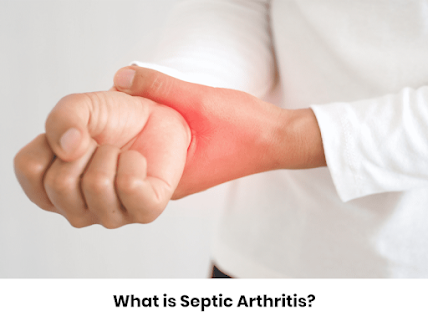
What is Septic Arthritis?

Image
Septic arthritis, also termed as infectious arthritis, is a severe infection of the joints caused by bacteria or other infectious agents. Here's what you need to know about this condition straight from the desks of the best orthopedic doctors in South Kolkata : What Causes Septic Arthritis? Septic arthritis occurs when bacteria or other germs enter a joint, leading to infection. The most common bacteria responsible for septic arthritis are Staphylococcus aureus and Streptococcus species. The disease can occur through direct entry into the joint, such as from a wound or surgical procedure or through the bloodstream from another part of the body. Symptoms of Septic Arthritis The symptoms of septic arthritis can vary but often include: Severe pain in the affected joint, which may worsen with movement Swelling and redness around the joint The affected joint may feel warm when touched Difficulty in joint movement due to pain and swelling Fever and chills may accompany the infection Diag...

How Does Snoring and Sleep Apnea Differ from Each Other?

Image
Snoring and sleep apnea are two of the most common sleep-related issues that can affect sleep quality and overall health. While they may seem similar, they are distinct conditions with different causes and implications.  ENT specialists in Thakurpukur  are here to help you understand these conditions better by breaking down the differences between snoring and sleep apnea. Snoring Snoring is the noise produced when air flows past relaxed tissues in the throat during sleep. It is a common occurrence and can affect people of all ages, although it is more common in certain groups, such as older adults and individuals who are overweight. Signs Loud, repetitive sounds during sleep Usually harmless, but can disrupt sleep for the snorer and their partner Typically not associated with pauses in breathing or oxygen desaturation Causes Blocked nasal airways due to congestion or allergies Consumption of alcohol or sedatives before bedtime Relaxation of throat muscles during sleep Sleeping...

How to Maintain Healthy Haemoglobin Levels with the Right Diet?

Image
Maintaining a healthy haemoglobin level is vital for overall well-being, as haemoglobin is vital in carrying oxygen from the lungs to other parts of the body. If you undergo a  blood test in South Kolkata  and show signs of low haemoglobin levels, such as fatigue, weakness and even anaemia, including certain foods into your diet can help increase haemoglobin levels naturally. Here are some top foods to consider: Leafy Greens : Spinach, kale and other such leafy greens are rich in iron, a key component of haemoglobin. Including these vegetables in your meals can boost your iron intake and help increase haemoglobin levels. Legumes : Beans, lentils and chickpeas are excellent sources of iron and protein. Adding legumes to soups and salads or as a side dish can provide a significant nutrient boost and support healthy haemoglobin levels. Red Meat : According to experts at a leading  super speciality hospital in South Kolkata , lean cuts of red meat are high in iron and easily ...

The Relationship Between Menopause and Heart Health

Image
Menopause is a natural phase in a woman's life that marks the end of menstruation. While it brings various changes to the body, it also impacts heart health significantly. Here is what the  best gynecologist in South Kolkata  has to say about the impact of Menopause on heart health.  Hormonal Changes During Menopause, estrogen levels decline, affecting various bodily functions. Estrogen plays a vital role in maintaining healthy blood vessels by promoting flexibility and dilation and its reduction can lead to changes in the cardiovascular system. Increased Risk of Heart Disease Women are at a higher risk of heart disease after Menopause compared to men of the same age. The risk of heart disease increases due to factors such as elevated blood pressure, changes in cholesterol levels and weight gain. Cholesterol Levels Menopause can lead to an increase in LDL (bad) cholesterol and a decrease in HDL (good) cholesterol, contributing to plaque buildup in the arteries. This build...